

What Does Retatrutide Do? How the Triple Agonist Works in Metabolic Research
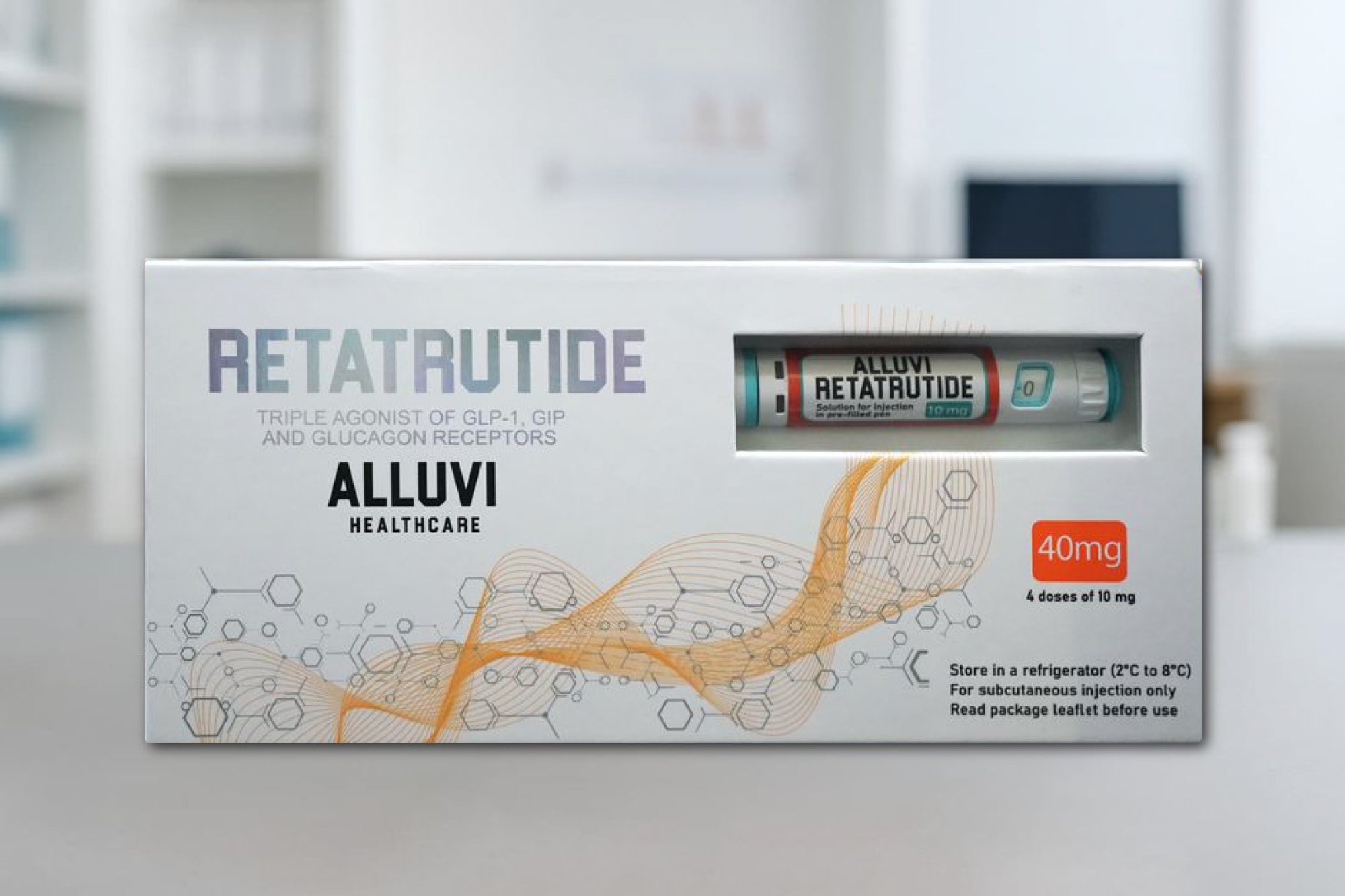
Retatrutide is a next-generation research peptide that simultaneously activates three separate metabolic receptors — GLP-1 (Glucagon-Like Peptide-1), GIP (Glucose-Dependent Insulinotropic Polypeptide), and GCG (Glucagon). This triple-agonist mechanism has made retatrutide a focal point in metabolic and obesity research.
But what exactly does retatrutide do at a cellular level? This guide breaks down the science, the receptor mechanisms, and the context of its use in laboratory environments.
The Triple Mechanism — Receptor Activity Explained
1. GLP-1 Receptor Activation
Like earlier generations of single-agonist research peptides, retatrutide activates GLP-1 receptors. In laboratory models, this pathway is observed to:
- Modulate neural pathways associated with satiety and appetite signalling.
- Delay gastric emptying in in-vivo models.
- Stimulate glucose-dependent insulin secretion.
- Inhibit excess glucagon secretion to regulate hepatic glucose output.
2. GIP Receptor Activation
Retatrutide also activates GIP receptors, creating a dual-incretin effect. Research indicates that adding GIP agonism:
- Enhances the baseline GLP-1 effects on metabolic regulation.
- Directly interacts with adipocytes (fat cells) to promote lipid oxidation.
- Improves insulin sensitivity in peripheral tissues during testing.
3. Glucagon (GCG) Receptor Activation
This is the defining characteristic of retatrutide. By incorporating glucagon receptor agonism, the compound introduces a third metabolic pathway not present in dual-agonists:
- Increased energy expenditure: GCG activation is associated with elevated resting metabolic rates in animal models.
- Direct lipid metabolism: It signals hepatic pathways to increase fat oxidation.
- Synergistic efficacy: The GCG component works alongside GLP-1 and GIP to prevent the metabolic adaptation often seen in single-pathway studies.
Clinical Context: Phase 2 Trial Data
While retatrutide supplied by Alluvi is strictly for in-vitro and non-clinical laboratory research, understanding its clinical background provides valuable context for researchers. In a Phase 2 clinical trial published in the New England Journal of Medicine (2023), the compound demonstrated unprecedented metabolic effects:
- Average weight reduction: 24.2% of total body weight at 48 weeks (24mg dose).
- High response rate: 83% of subjects achieved ≥20% weight reduction.
- Biomarker improvements: Significant reductions in systolic blood pressure, fasting triglycerides, and hepatic fat content.
Comparative Research Applications
For laboratories conducting comparative metabolic studies, retatrutide serves as the baseline for triple-agonist efficacy against older compounds:
| Compound Class | Receptor Targets | Research Complexity |
|---|---|---|
| Retatrutide | GLP-1 + GIP + GCG | Multi-pathway synergistic investigations |
| Dual-Agonists (e.g., Tirzepatide) | GLP-1 + GIP | Combined incretin modulation |
| Single-Agonists (e.g., Semaglutide) | GLP-1 only | Established single-pathway studies |
Where to Source Retatrutide for Laboratory Research in the UK
Retatrutide is an investigational compound and is not approved for human or veterinary use. It is available exclusively for controlled laboratory research and analytical testing.
At Alluvi Peptide Shop, we supply high-purity, research-grade peptides to qualified laboratories and institutions. Our ALLUVI Retatrutide 40mg formulation is verified via third-party HPLC and Mass Spectrometry, with batch-specific Certificates of Analysis available for all orders.
Mandatory Research Disclaimer
Alluvi products are strictly for in-vitro laboratory research purposes only. They are not for human consumption, clinical trials, or therapeutic applications. Researchers must ensure compliance with all institutional safety protocols.
Ready to source materials for your next study? Explore our complete catalogue of research peptides or contact our wholesale team for bulk institutional supply.

 English (Australia)
  English
  Deutsch
  Español
  Español de México
  Français du Canada